How to Write Prompts for Cinematic AI Images — Film-Quality Results
Create AI images that look like Hollywood movie stills. Master cinematic lighting, composition, and color grading through prompt engineering.
">The Cinematic Formula: Five Essential Elements
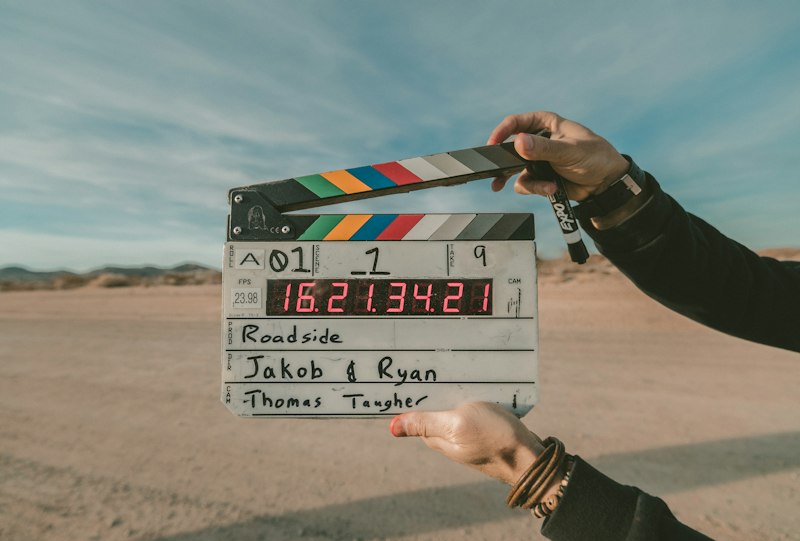
Every great cinematic AI image includes these five elements. Miss one and the result feels incomplete. Nail all five and you consistently get images that look like they belong in a movie:
1. ">A clear subject with emotional resonance. Cinema is about storytelling. Your subject should suggest a narrative — a lone figure in the rain, a warrior before battle, a child discovering something magical. Emotion drives engagement. 2. Specific lighting setup. Not just "cinematic lighting" (which is too vague) but a described lighting scenario: "single key light from the upper left with deep shadows falling right." More on this below. 3. ">A defined color palette or color grade. The color treatment is what makes an image immediately feel "filmic." Specific color grade references dramatically improve results. 4. ">Lens and camera information. Focal length, aperture, and camera model references tell the AI what kind of optical look to produce — bokeh, depth of field, lens flare character. 5. ">The right aspect ratio. Widescreen ratios (21:9 for ultra-wide cinematic, 16:9 for standard widescreen) immediately signal "cinema" to the viewer. Square or portrait ratios rarely feel cinematic.
When you combine all five elements in a single prompt, the AI has enough specific direction to produce consistently film-quality results rather than generic "pretty" images.
">Lighting for Cinema: Be Specific, Not Generic
Lighting is the single most important element in cinematic imagery. Professional cinematographers call it "painting with light," and it is what creates mood, depth, and drama in every film frame. The biggest mistake in AI prompting is writing "cinematic lighting" — this is too vague and produces inconsistent results. Instead, describe the specific lighting setup you want.
Key Lighting Setups to Master
Rembrandt Lighting: "Single key light from upper left, triangular light patch on the shadowed cheek, deep shadows on the right side, soft fill light catching the eyes." This classic portrait lighting creates depth and drama. Named after the painter who mastered it.
Backlit Silhouette with Rim Light: "Subject backlit by golden sunset, strong rim light outlining the figure, face in shadow, atmospheric haze catching the backlight." This creates mysterious, striking compositions.
Neon Noir (Blade Runner style): "Neon reflections on rain-wet surfaces, pink and blue neon glow illuminating the subject from the side, dark atmospheric background, volumetric fog catching colored light." Perfect for moody urban and sci-fi scenes.
">Overhead Practical Lighting (The Godfather style): "Single overhead practical light, deep eye socket shadows, warm tungsten glow, dark surrounding environment, intimate dramatic atmosphere." Creates brooding, powerful character portraits.
Amber-Teal Split: "Warm amber key light on the subject, cool teal fill light in the background, complementary color contrast, cinematic color separation." This is the blockbuster standard — warm subject against cool environment.
">Pro Tip
Layer multiple light sources in your prompt for more complex, realistic lighting: "Key light from upper left, subtle blue fill from the right, warm practical light in the background, rim light from behind." The AI handles multi-source lighting descriptions remarkably well.">Color Grading: The Secret Weapon of Cinema
Color grading is the process of adjusting the colors and tones of an image to create a specific mood. It is what separates a home video from a Hollywood production, and it is arguably the easiest cinematic element to add to your AI prompts. Each color grade creates a completely different emotional response:
Essential Color Grades
- Teal and Orange — "teal and orange color grade, warm skin tones against cool blue shadows." The most popular blockbuster look (Transformers, Mad Max). Skin tones pop against complementary blue environments. - Desaturated Cool Tones — "desaturated, cool blue-gray tones, muted colors, low saturation." The thriller and noir look (Se7en, Gone Girl). Creates tension and unease. - Golden Hour Drama — "warm amber highlights with deep blue shadows, golden hour color grade, rich warm tones." The prestige drama look (The Revenant, 1917). Romantic and epic. - Bleach Bypass — "bleach bypass look, high contrast, heavily desaturated colors, silver metallic highlights." The gritty war film look (Saving Private Ryan, 300). Raw and intense. - Wes Anderson Palette — "Wes Anderson color palette, deliberate pastels, symmetrical composition, soft yellow and pink tones." Whimsical, stylized, instantly recognizable. - Vintage Kodachrome — "Kodachrome color grade, rich saturated reds and greens, warm highlights, deep shadows." The nostalgic 1960s–70s look. - Cyberpunk Neon — "neon-saturated color grade, electric pink and cyan, high contrast, deep black shadows." Futuristic and vibrant.
Combining Color Grades
You can mix and match: "warm golden key light with teal shadows, slight film grain, vintage color science" combines golden hour warmth with the teal-and-orange separation for a unique cinematic feel.">Camera and Lens Language: Optical Storytelling
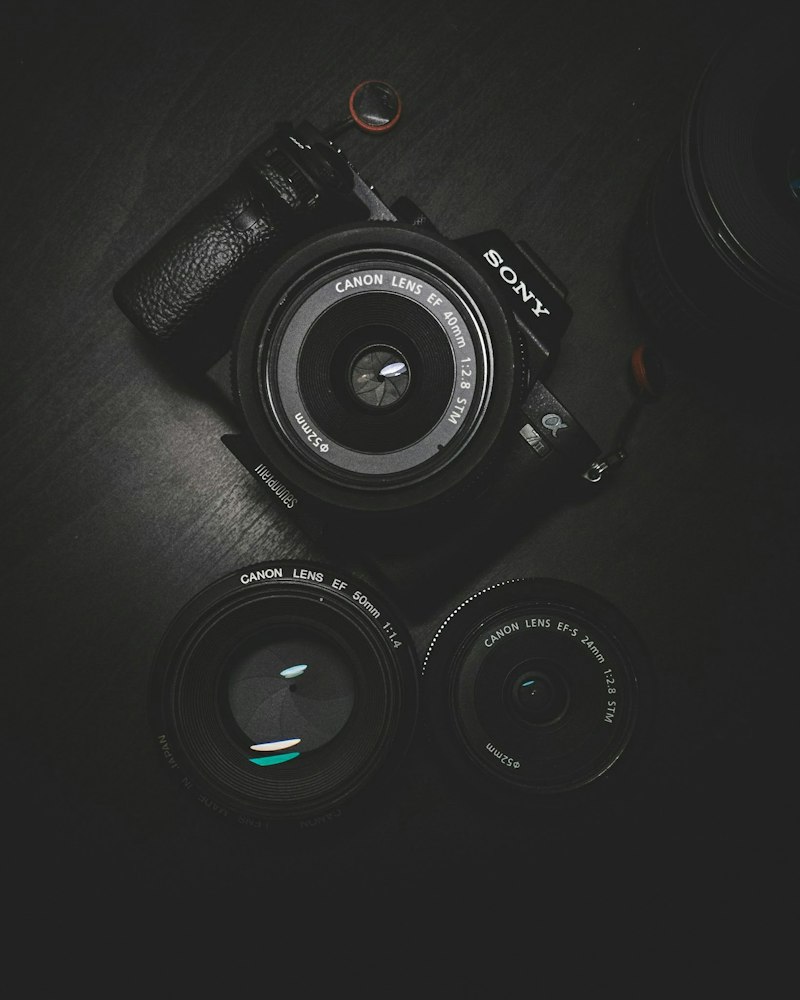
Every lens and camera creates a distinct visual signature. Cinematographers choose their glass carefully, and AI models have learned the visual characteristics of specific lenses and camera systems. Using this language in your prompts gives you precise control over the optical look of your image.
Lens Focal Lengths
- 14–24mm Ultra-Wide: "ultra-wide angle, 16mm lens, dramatic perspective distortion, environmental storytelling." Exaggerates depth and space. Great for establishing shots and architecture. - 35mm Standard: "35mm lens, natural perspective, slight wide angle." The classic cinema workhorse — wide enough for environments but not distorted. Many iconic films are shot entirely on 35mm. - 50mm Normal: "50mm lens, natural perspective, close to human eye." Clean and neutral — the viewer feels present in the scene. - 85mm Portrait: "85mm f/1.4, shallow depth of field, creamy bokeh, subject isolation." The portrait king — beautiful background blur that isolates the subject. - 135–200mm Telephoto: "200mm telephoto, compressed perspective, heavily blurred background, intimate voyeuristic feel." Compresses depth for dramatic effect.Anamorphic vs. Spherical
"Anamorphic lens, horizontal lens flare, oval bokeh, 2.39:1 aspect ratio" triggers the signature look of Hollywood blockbusters — those beautiful horizontal streaks of light and distinctly oval out-of-focus highlights. "Spherical lens, round bokeh, clean optical quality" gives a more natural, documentary feel.Camera System References
- "Shot on ARRI Alexa Mini" — triggers the look of high-end cinema cameras: rich color science, wide dynamic range, slightly warm skin tones. - "Shot on RED Komodo" — sharper, more clinical look with excellent highlight rolloff. - "Shot on 35mm film, Kodak Vision3" — organic film grain, natural color rendition, gentle highlight bloom. - "IMAX 70mm" — massive scale, extreme resolution and detail, Christopher Nolan aesthetic.">Composition and Atmosphere
Beyond lighting, color, and lenses, composition and atmospheric elements complete the cinematic look:
Composition Keywords
- "Rule of thirds composition" — places the subject at a natural visual anchor point - "Centered symmetrical composition" — Kubrick and Wes Anderson style, creates a hypnotic formal quality - "Dutch angle, tilted frame" — adds tension, disorientation, and unease - "Low angle, looking up" — makes subjects appear powerful and imposing - "Over the shoulder shot" — creates intimacy and narrative context - "Extreme close-up on eyes" — maximum emotional intensityAtmospheric Elements
- "Volumetric fog catching light beams" — adds depth layers and makes light visible in the air - "Dust particles floating in light" — creates a lived-in, realistic atmosphere - "Rain on window with bokeh lights behind" — instant mood and texture - "Breath visible in cold air" — adds realism and environmental storytelling - "Lens condensation, slight moisture on lens" — creates an organic, imperfect feelComplete Example Prompts
Neo-Noir Detective
"Lone detective standing in a rain-soaked Tokyo alley at night, trenchcoat collar raised, neon signs reflected in puddles, anamorphic lens flare, teal and orange color grading, shot on ARRI Alexa, 35mm, shallow depth of field, atmospheric fog, volumetric light from a distant streetlamp, cinematic still from a neo-noir film --ar 21:9"Epic Fantasy
"Ancient warrior queen standing atop a cliff overlooking a burning battlefield at dusk, dramatic wind blowing her cloak, golden hour backlight with rim light, warm amber highlights against deep blue twilight sky, shot on 65mm IMAX, deep depth of field, volumetric smoke and dust, cinematic still from an epic fantasy film --ar 21:9"Intimate Drama
"Two old friends sitting across from each other in a dimly lit Italian restaurant, single warm overhead light, Rembrandt lighting on their faces, Kodachrome color grade, shot on 85mm f/1.4, shallow depth of field, bokeh from candles in background, nostalgic warmth, cinematic still from an indie drama --ar 16:9"Browse PromptSpace's Cinematic Prompts collection for 100+ ready-to-use prompts that produce film-quality results every time. Each prompt has been tested across Midjourney, FLUX, and Stable Diffusion to ensure consistent cinematic quality.